Quick answer: The official checkout shows Cognizil's label only as an image we could not read. Another website lists chromium 7 mcg plus a 15.47 mg proprietary blend of about 20 ingredients, including ginseng, eleuthero, L-tyrosine, GABA, tryptophan and green tea. Check the label on your bottle.
What we know
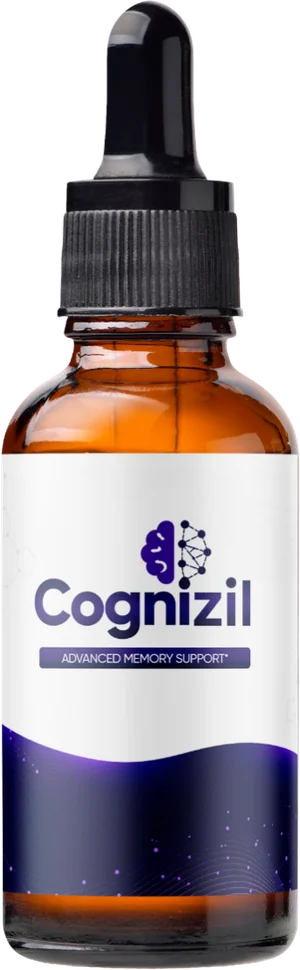
An honesty note first
Reported, not confirmed: the official checkout shows its label only as an image we could not read. The list below comes from another website, which gives chromium 7 mcg plus a 15.47 mg proprietary blend of about 20 ingredients, with no individual amounts. Always go by the label on your bottle.
Why the 15.47 mg figure matters
If the reported label is right, one serving holds 15.47 mg of blend in total. Spread over about 20 ingredients, that averages under 1 mg each. For comparison, ginseng studies typically use 200 to 400 mg of extract, and tyrosine studies use grams. At those amounts, effects seen in research are unlikely to carry over. Read why a 15.47 mg blend matters.
The memory-related ingredients
Panax Ginseng Root
The most studied herb on the list. Reviews of ginseng and memory find small, inconsistent effects, usually at 200 to 400 mg of extract a day. It can affect blood sugar and may interact with blood thinners.
NCCIH on Asian ginsengEleuthero Root (Siberian ginseng)
Used for fatigue and stress resilience. Research on memory is limited and mostly older or small.
Eleuthero research on PubMedL-Tyrosine
An amino acid the brain uses to make dopamine and noradrenaline. Studies suggest it may help working memory under acute stress, at doses of grams, not milligrams.
Tyrosine research on PubMedGABA and L-Tryptophan
Linked to calm and sleep. Oral GABA may barely reach the brain. Tryptophan feeds serotonin, so it needs care with antidepressants.
GABA research on PubMedGreen Tea Leaf and Guarana Seed
Both naturally contain caffeine, which can sharpen alertness for a few hours. The checkout calls Cognizil non-stimulant, so the amounts are presumably tiny.
NCCIH on green teaLicorice extract (glycyrrhizinate)
Used as a sweetener and flavour. In larger amounts glycyrrhizin can raise blood pressure and lower potassium.
NCCIH on licorice rootThe rest of the reported blend
Also listed: chromium (as picolinate, 7 mcg), maca root, African mango seed, grape seed, astragalus root, Gymnema leaf, Coleus forskohlii root, cayenne fruit, grapefruit seed, raspberry ketones, L-glutamine, L-arginine, beta-alanine and L-carnitine. Several of these are better known as weight or blood-sugar ingredients than memory ingredients.
How strong is the evidence?
| Ingredient | Main idea | Evidence for memory |
|---|---|---|
| Panax ginseng | Adaptogen | Mixed: some small benefits, many null results |
| L-tyrosine | Dopamine precursor | Limited: mainly under acute stress, gram doses |
| Green tea and guarana | Caffeine | Short-term alertness, not memory building |
| Eleuthero | Adaptogen | Weak, older studies |
| GABA and tryptophan | Calm and sleep | Indirect at best |
Ingredient cautions in short
- Tryptophan, GABA and tyrosine need care with antidepressants and sleep medicine.
- Ginseng, green tea and grape seed may add to blood thinners.
- Chromium, Gymnema and ginseng can lower blood sugar.
- Licorice and guarana can raise blood pressure.
- Grapefruit seed may interact with some medicines.
Full guidance is on the how to use page. See also Cognizil's reported label, explained.
References
- National Institute on Aging: Memory problems, forgetfulness and aging.
- NCCIH: Asian ginseng.
- NCCIH: Supplements and cognitive function.
- PubMed: Tyrosine and working memory under stress.
- NCCIH: Licorice root.
- CDC: Sleep and health.
Frequently asked questions
General information, not medical advice. Cognizil is a dietary supplement and is not intended to diagnose, treat, cure or prevent any disease.